Fidurock has purchased historic buildings on Sokolská Street and will convert them into rental housing.
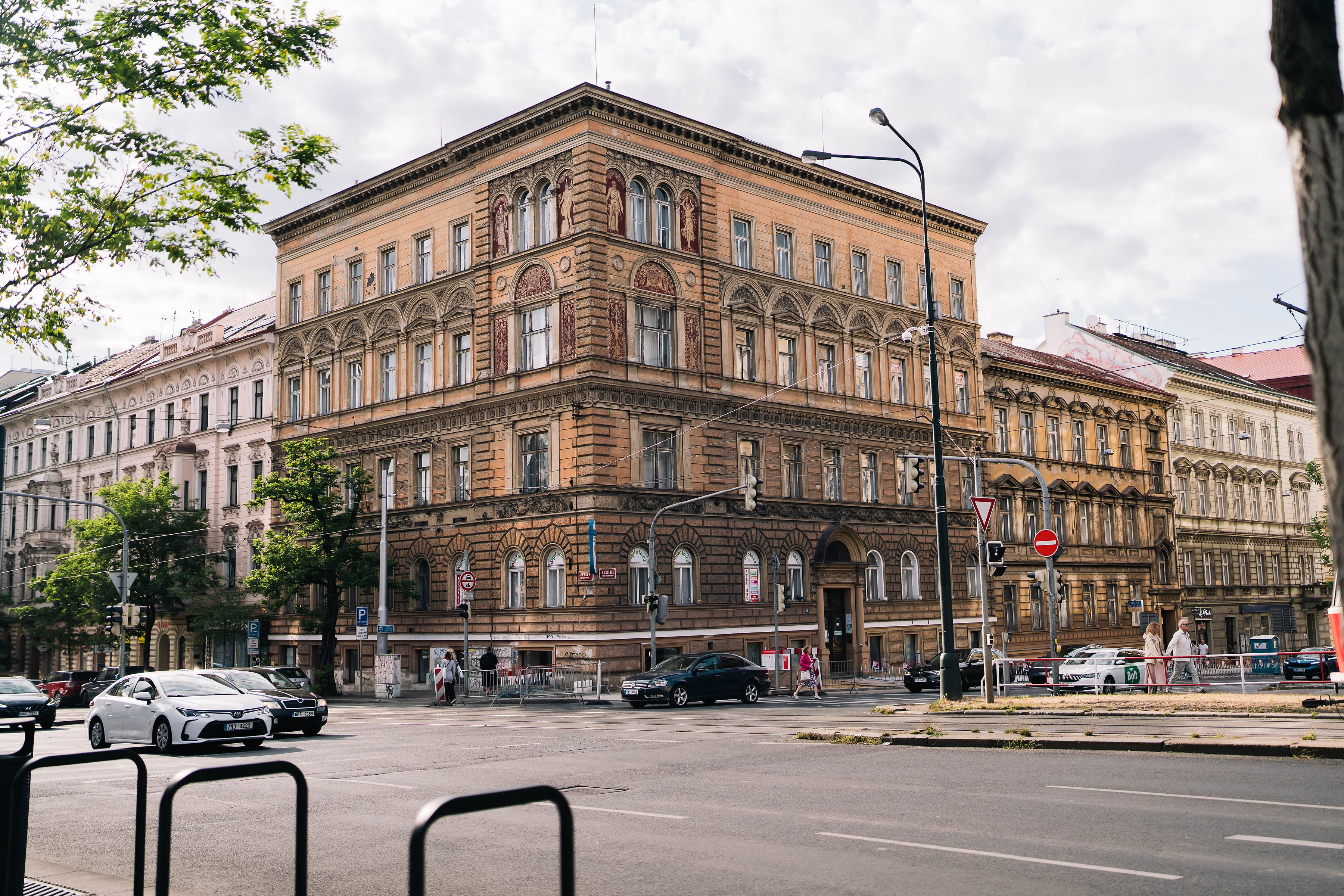
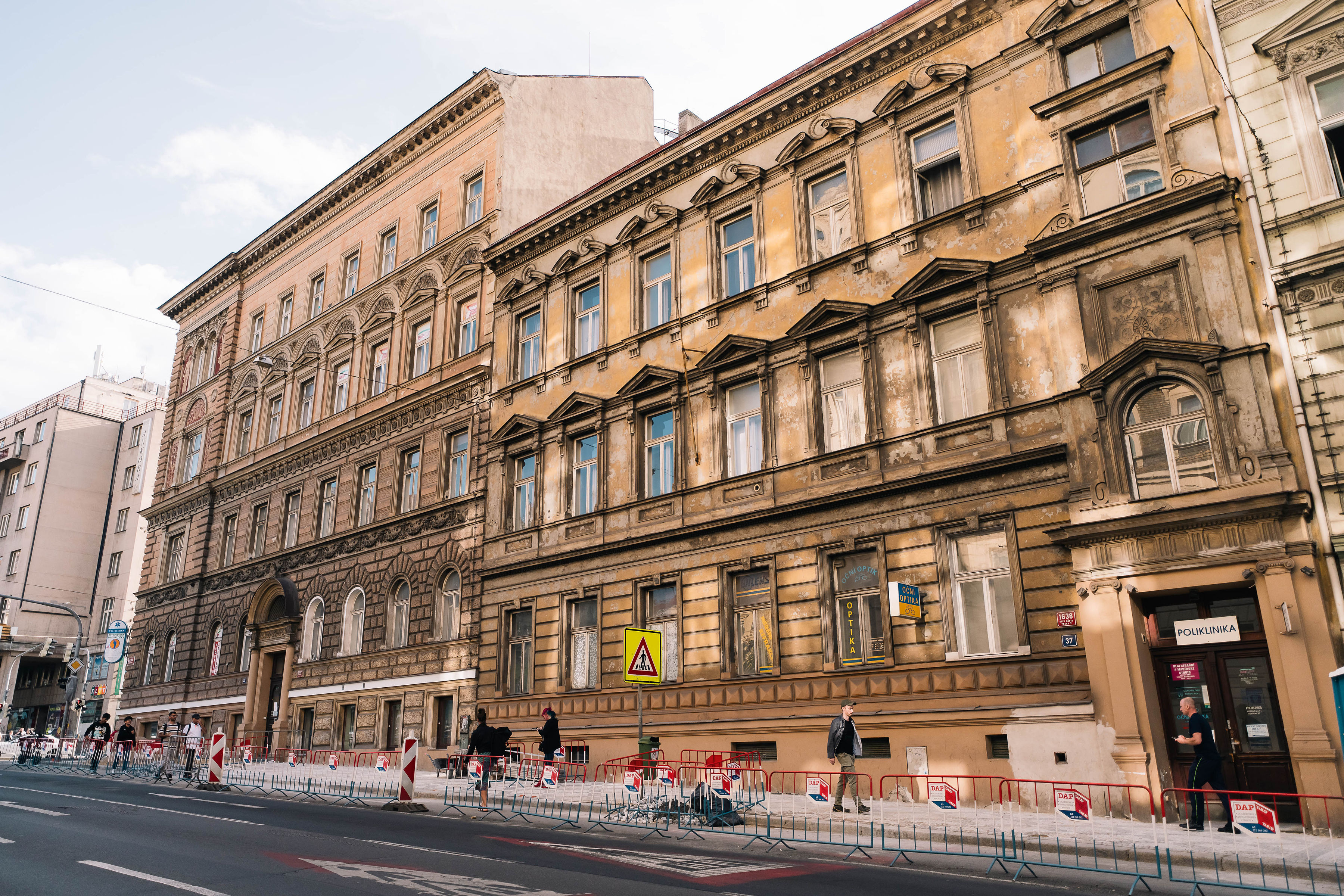
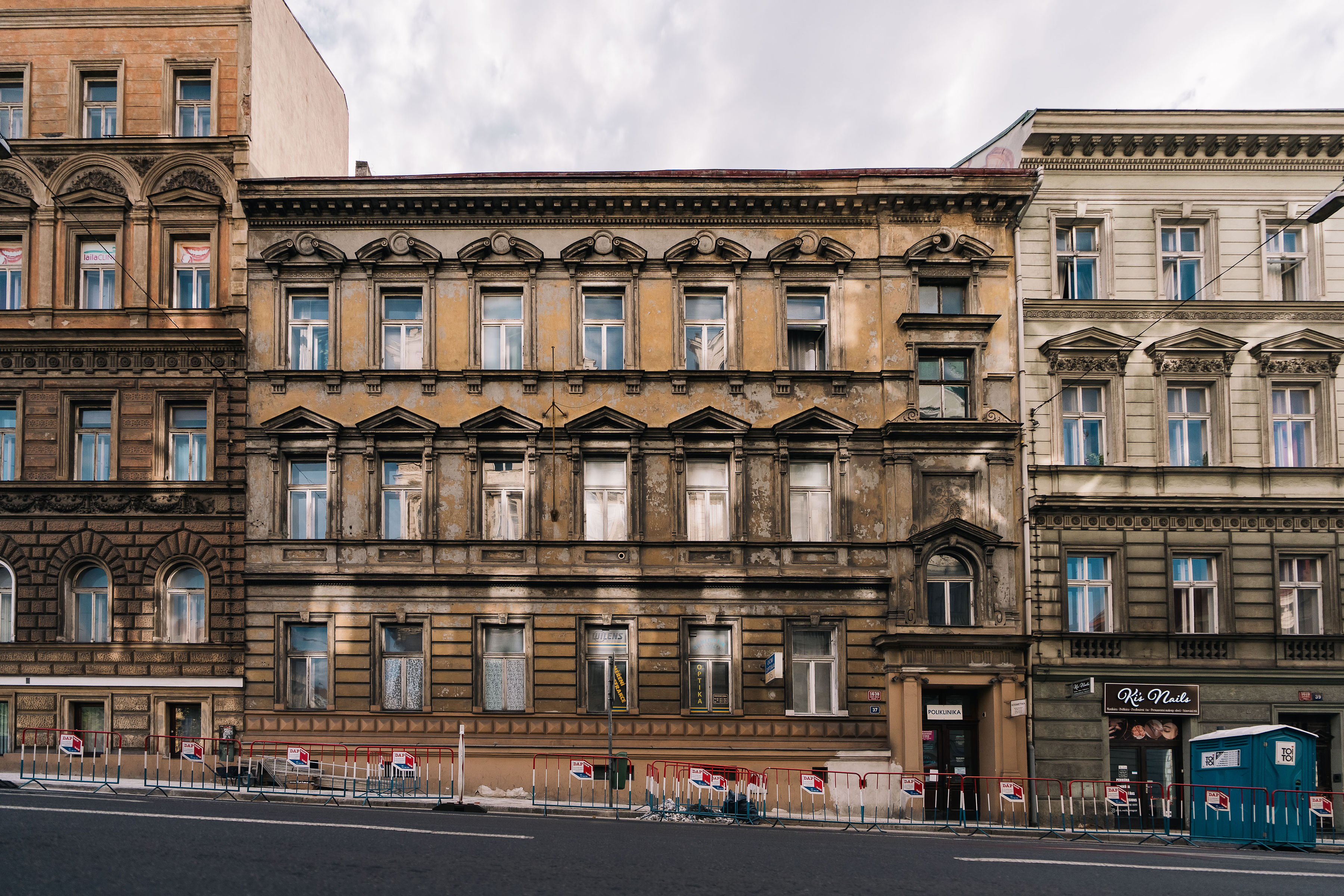
The real estate investment group Fidurock has made another real estate acquisition in the center of Prague. It is adding two historic apartment buildings at Sokolská 35 and Sokolská 37 to its portfolio, located in the immediate vicinity of Wenceslas Square, the Museum, and I. P. Pavlova. The buildings, with a current area of 2,157 m², will undergo complete renovation and conversion from office to residential rental units. The company is not disclosing the details of the transaction due to commercial confidentiality.
From our point of view, this was a very interesting acquisition opportunity, which we decided to take advantage of. This expands our existing portfolio of apartment buildings, which we have been purchasing, sensitively renovating, and marketing as rental apartments for a long time. Specifically, these two properties are, in our view, in an absolutely ideal location, as they are right in the center of Prague, within walking distance of Wenceslas Square and the Museum. Tram stops and metro line C are at I. P. Pavlova, about a two-minute walk from both buildings. Metro line A is a five-minute walk away, and line B is a ten-minute walk away. The combination of such an exceptional location and the character of the buildings makes this a project with above-standard potential.
Today, the buildings are mainly used as administrative buildings and a health center. Fidurock plans to completely renovate them, including internal layout changes and conversion to residential housing for rent. The current total area of both buildings is 2,157 m². In line with Fidurock's usual approach, the project will also consider a possible increase in usable space in the form of extensions, superstructures, or more efficient use of existing space. The aim is to design layouts, sizes, and numbers of apartments that correspond to the current demand on the rental housing market in the center of Prague. The future design of the interiors and the scope of construction work are currently in the project preparation phase, with the company emphasizing technical standards corresponding to modern urban living. This is particularly true in terms of acoustic comfort, energy efficiency, safety, and long-term sustainability of building operation. "Fidurock is based on a long-term investment strategy and an experienced team that has been involved in the renovation of apartment buildings for many years. We have already implemented and are implementing several similar projects in Prague, which allows us to draw on our extensive know-how in technical, design, and operational areas. We have over ten years of experience in renovating century-old apartment buildings, adding extensions and optimizing layouts so that projects are sustainable in the long term and economically rational for our investors, while also being attractive to tenants," concludes Hauerland.
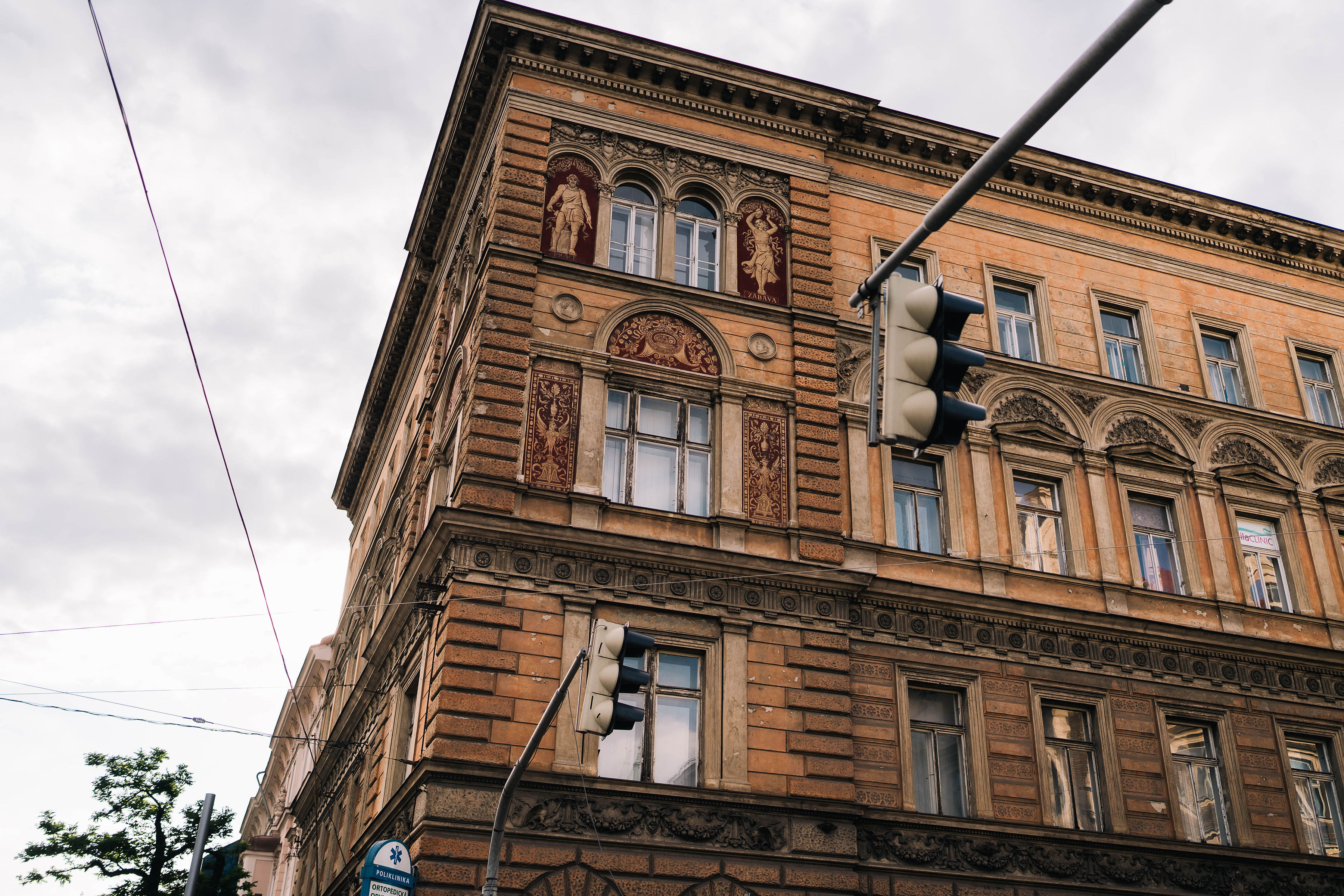
150 years of history in a modern concept Both houses have a clearly legible Prague pedigree. One of them obtained a building permit as early as 1883 and was built according to the plans of builder and architect František Heberle with trusses by master carpenter Matěj Bílek, both of whom were figures associated with high-quality Neo-Renaissance construction in Prague. The original design also included a corner tower inspired by the French Renaissance, which was ultimately not realized, and during construction, the project was continuously refined in terms of layout and structural details. In the 20th century, the buildings naturally adapted to the needs of the time, and their use evolved from an educational function to interconnection and integration into sanatorium and later hospital operations, including modifications made during the war. Repeated interventions in the facades and an emphasis on preserving architectural forms show that these were long-valued city houses with lasting value. It is precisely this historical continuity and strong story of transformation that creates a good basis for sensitive restoration that will highlight the character of the place and at the same time bring a new standard of living.